
Our Approach to Holistic Education
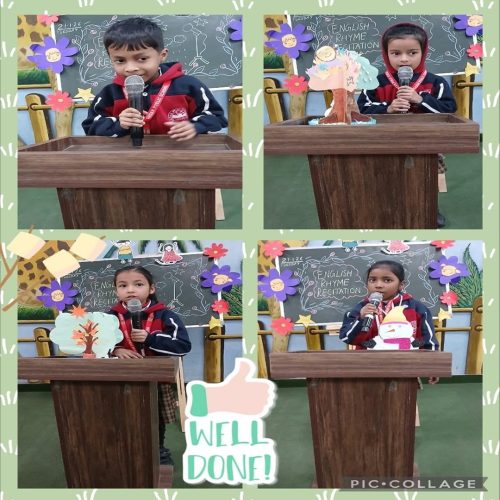
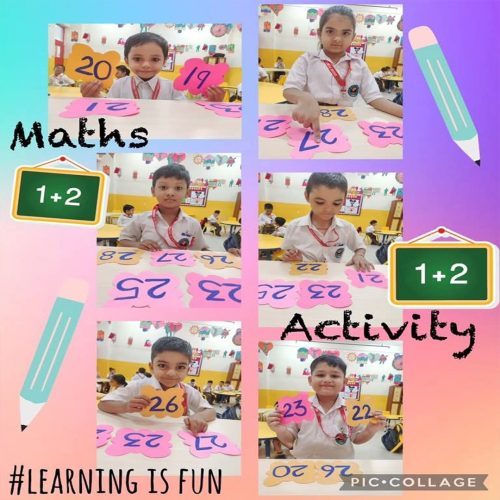
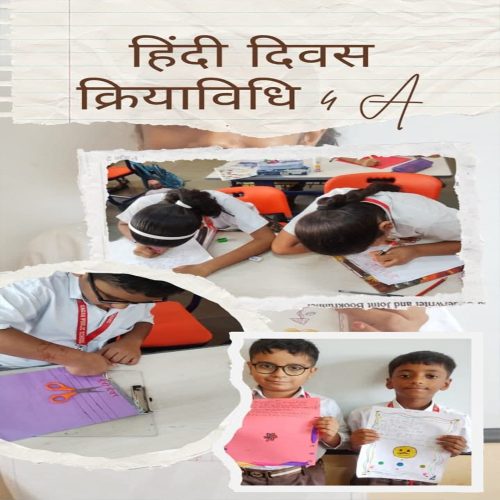
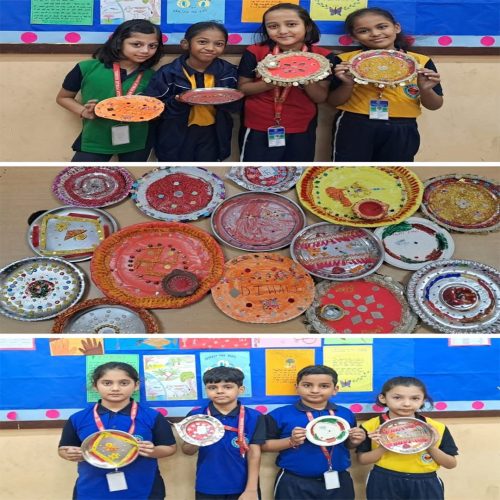
Gagan Public School, with its proud 38 years of legacy in education, is committed to the holistic development of every learner. Guided by visionary leadership, the school provides a nurturing environment enriched with open spaces, greenery, and child-friendly play areas that support joyful and meaningful learning.
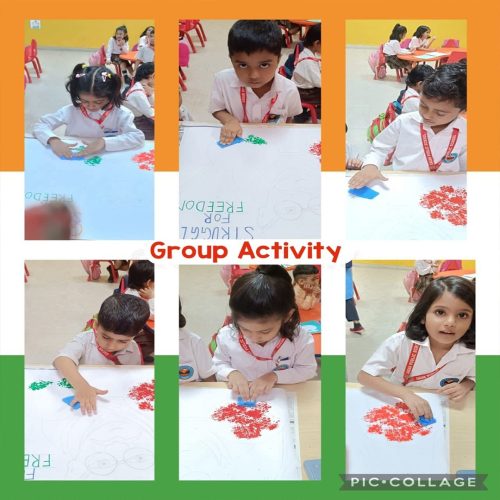
The Early Years Wing, aligned with the Foundational Stage of NEP 2020, caters to Play Group, Pre-Nursery, Nursery, and Kindergarten. Age-appropriate, safe, and engaging learning spaces promote play-based and experiential learning, ensuring smooth transitions and all-round development.
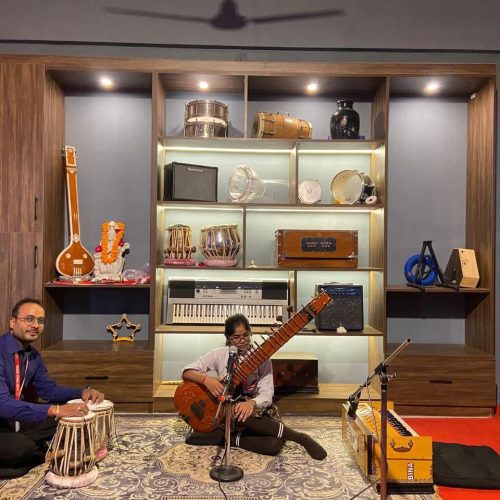
Well-equipped facilities such as the Hustle Bustle Room, Clay Modelling Room, music and dance rooms, and Smart Classrooms foster creativity, independence, and conceptual understanding. The Discovery Den offers opportunities for creative play, yoga, gymnastics, and climbing, supporting physical development and confidence.
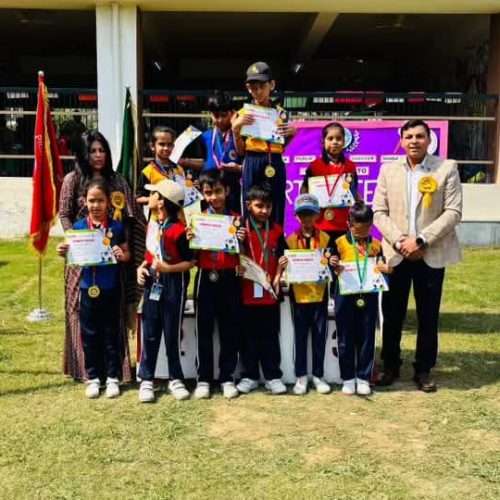
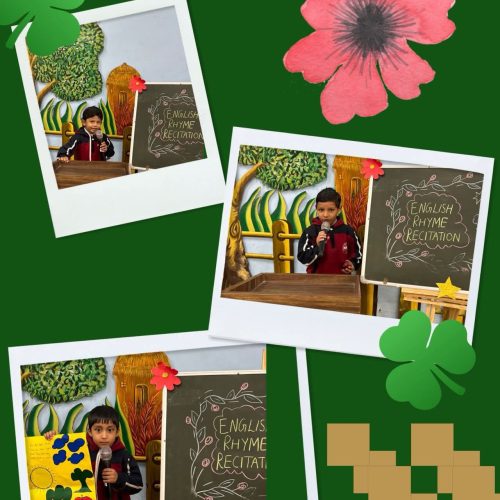
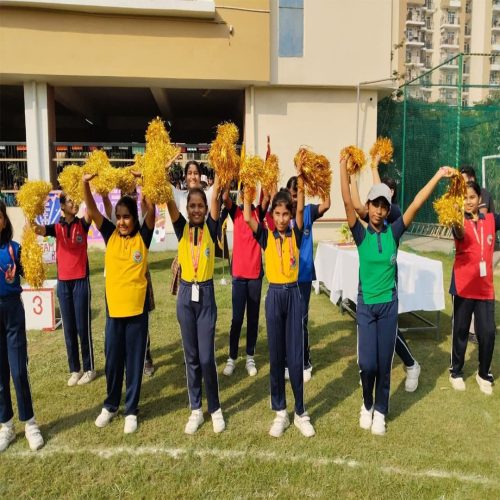
A rich blend of curricular and co-curricular activities further nurtures creativity, communication skills, social awareness, and emotional growth, ensuring joyful learning in alignment
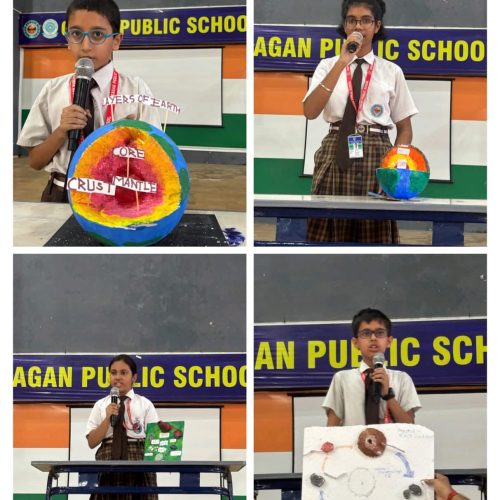
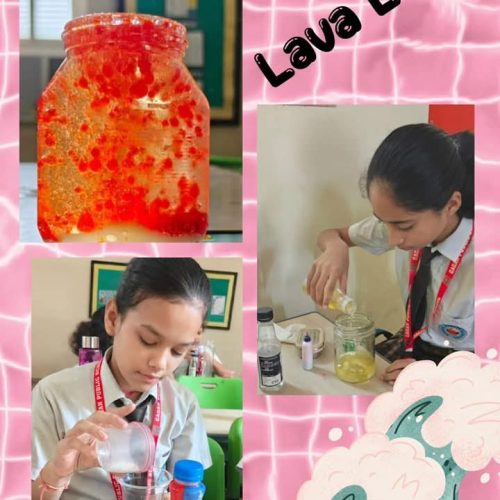
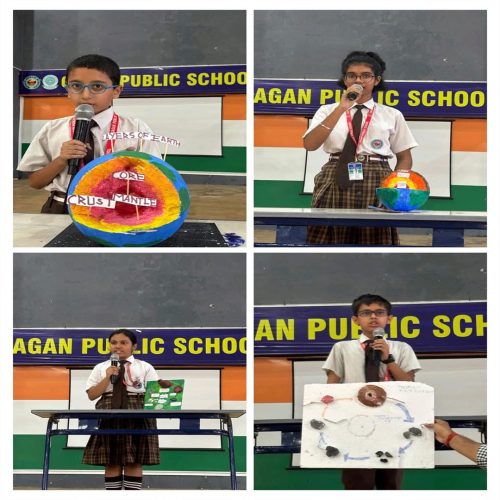
The Primary Wing (Classes III–V) represents a key stage in the Preparatory and early Middle phase of learning, where children consolidate foundational literacy and numeracy skills while continuing to learn through experiential, play-based, and activity-oriented approaches, as envisioned in NEP 2020. Emphasis is placed on conceptual understanding, critical thinking, and problem-solving, fostered through hands-on activities, collaborative tasks, and real-life applications. Teachers adopt a learner-centric and competency-based approach, balancing academic depth with joyful engagement. This stage nurtures curiosity, confidence, and independent thinking, thereby laying a strong foundation for lifelong learning and future academic growth.
The Middle Wing (Classes VI–VIII) at Gagan Public School serves as a crucial transitional phase, bridging the foundational years and secondary education. During this stage, students engage with more conceptually challenging subjects while developing critical thinking, independence, and problem-solving skills essential for higher learning. Teachers play the role of mentors and facilitators, guiding students through academic growth and personal development, helping them identify their strengths, interests, and learning styles. This stage fosters self-awareness, responsibility, and resilience, preparing learners for the academic rigor and responsibilities of senior classes.
The Middle Wing infrastructure is designed to ensure comfort, safety, and efficiency. Each floor is equipped with an adequate number of washrooms and safe drinking water facilities. Staff rooms and dedicated teacher cubicles are evenly distributed across floors, enabling smooth academic coordination and student support.
Academic journey, where students engage with advanced and specialized coursework under a CBSE-based curriculum, preparing them for board examinations, higher education, and diverse career pathways. At this stage, strong emphasis is placed on conceptual clarity, subject depth, analytical thinking, and application-based learning, in alignment with the vision of NEP 2020.
Teaching–learning practices follow a learner-centric and competency-based approach, encouraging inquiry, critical thinking, problem-solving, and independent learning. Continuous focus is given to experiential learning, interdisciplinary connections, and real-life applications to deepen understanding and enhance academic rigor.
Assessment practices in the Senior Wing are aligned with CBSE and NEP 2020 guidelines, emphasizing a balanced combination of formative and summative assessments. Regular competency-based assessments, periodic tests, projects, practical work, and reflective assignments are used to evaluate students’ progress holistically, moving beyond rote learning to assess understanding and skills.
Teachers in the Senior Wing function as mentors, facilitators, and academic guides, supporting students in board examination preparedness, career counseling, stream selection, and life-skills development. Through structured guidance, mentoring sessions, and academic support, students develop self-discipline, resilience, decision-making skills, and confidence.